Supportive & residential
Behavioral Health Support in Residential Settings
Working alongside licensed residential and supportive-housing organizations to improve behavioral-health access, engagement, and continuity of care.
Programs and referral options may vary by location, funding, and partner capacity. Qualified or licensed partners remain responsible for clinical and residential services.
The need
The access challenge behind this program.
People living in residential or supportive settings may navigate multiple systems at once. Strong coordination can reduce missed handoffs, help residents engage with appropriate providers, and support continuity during transitions.
The Foundation seeks to partner with licensed residential and supportive-housing organizations; it does not represent itself as operating residential housing or independently delivering licensed clinical care.
People first
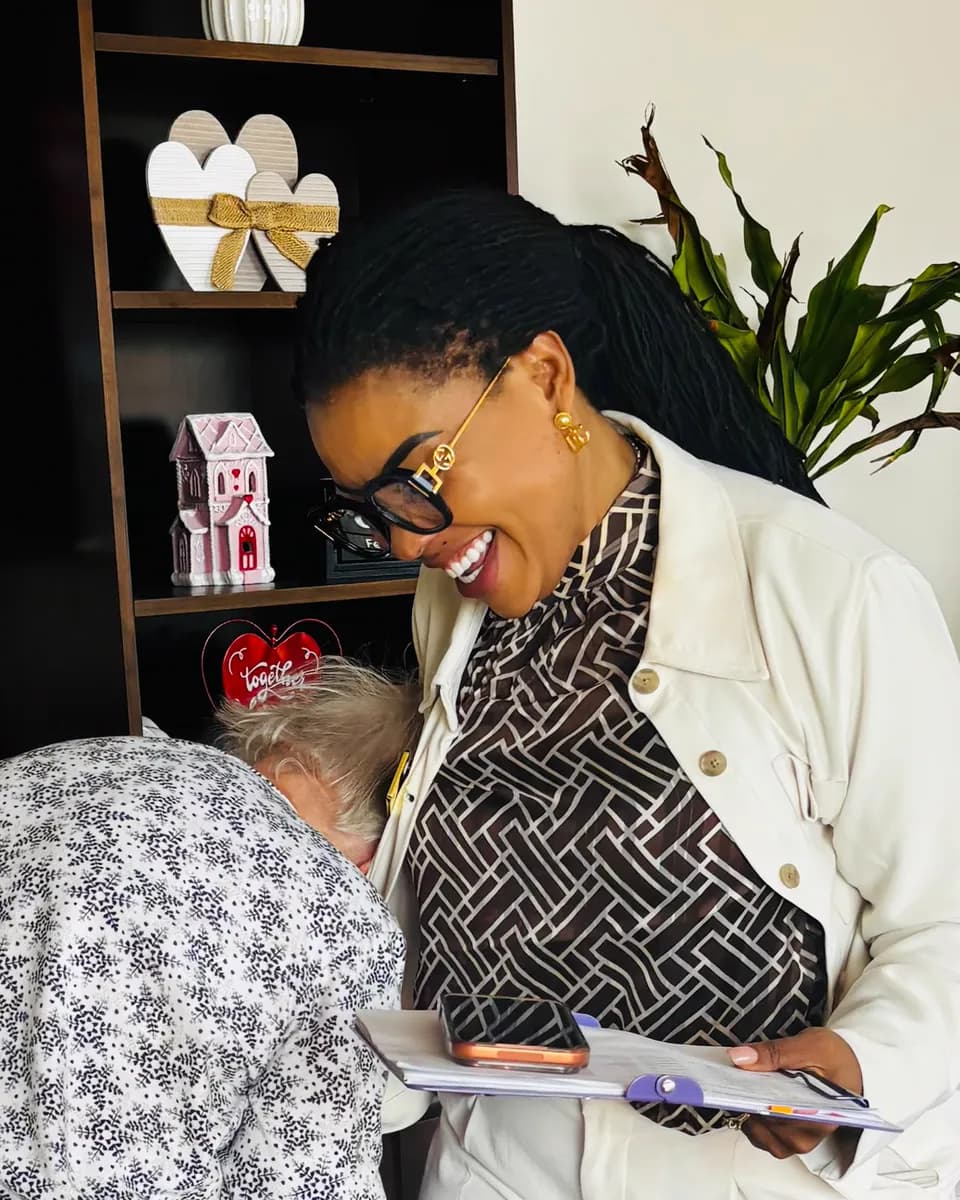
Dignity, clear communication, and consistent follow-through matter across every transition.
Who we serve
- Residents of licensed residential-care settings
- People living in supportive housing
- Individuals transitioning between residential and community-based support
- Residential teams seeking stronger referral and navigation pathways
Challenges addressed
- Disconnected housing and behavioral-health systems
- Missed or incomplete referrals
- Treatment-engagement barriers
- Gaps during housing or care transitions
What we support
A coordinated pathway—not a disconnected handoff.
The Foundation focuses on the navigation, partnership, education, and coordination work that helps people reach appropriate services.
Connections to qualified clinical providers
Referral follow-up and treatment-engagement support
Transition planning with participating housing and care partners
How partnerships work
Build the pathway together.
01
Understand the setting
Clarify resident needs, the provider's licensed role, existing supports, and coordination gaps.
02
Define responsibilities
Establish a partnership model that preserves each licensed provider's clinical and operational accountability.
03
Coordinate pathways
Strengthen referrals, navigation, follow-up, and communication across participating organizations.
04
Support continuity
Monitor access measures and improve handoffs during residential or community-care transitions.
Potential partners
Program models are developed around the capabilities, responsibilities, and needs of participating organizations.
Licensed residential-care providersSupportive-housing organizationsContinuums of CareCommunity services boardsHospitals and qualified providersHousing and community nonprofits
Outcomes we measure
Measure whether access is becoming more practical.
Initial values remain blank until reliable program data exists. Measures will be defined with participating partners and reported with appropriate context.
—
Residents engaged
Data coming soon
—
Completed referrals
Data coming soon
—
Treatment participation through qualified providers
Data coming soon
—
Service utilization
Data coming soon
—
Housing stability, where applicable
Data coming soon
—
Successful transitions to community care, where applicable
Data coming soon
Take the next step
Start with the pathway that fits your need.
Use the support form for a general, non-emergency request, or begin a partnership conversation to help build program capacity.